Jakub Dębski
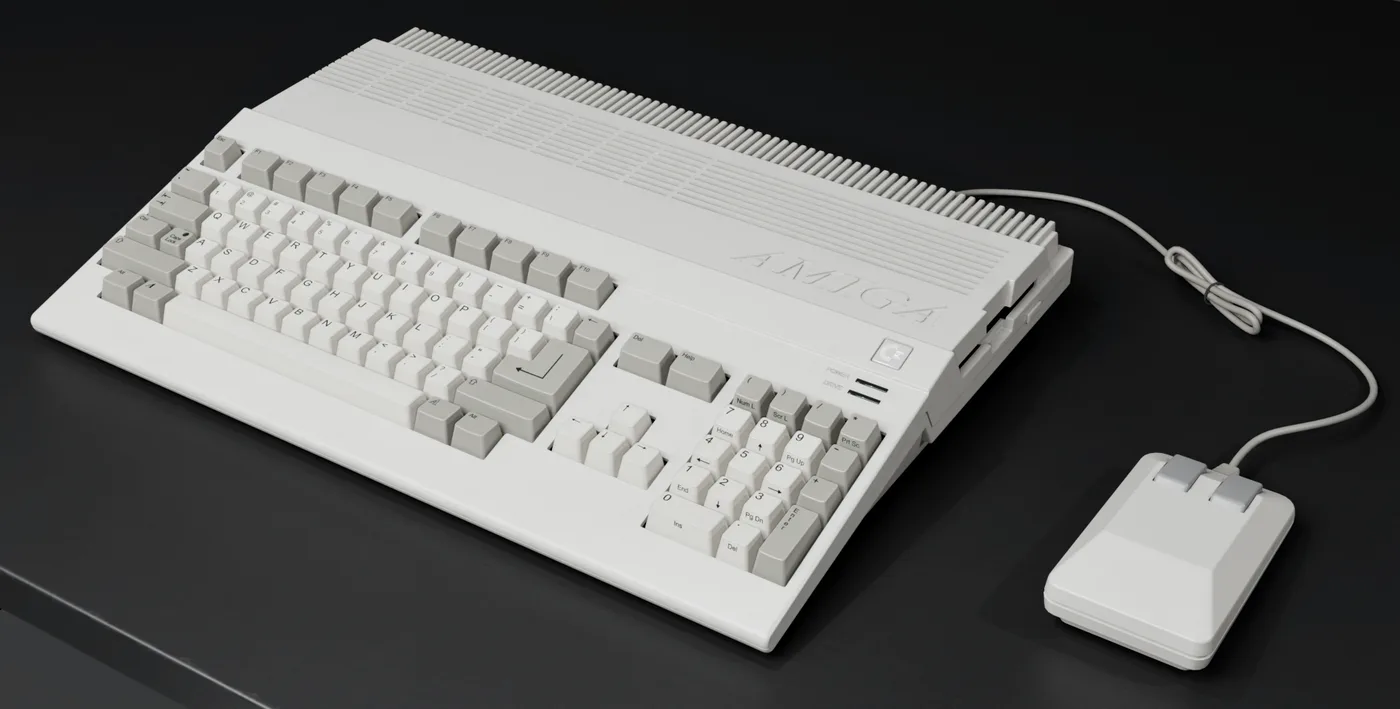
Chief Product Officer at ESET. My first computer was an 8-bit Atari 65XE when I was six years old. I learned BASIC on it, and computers have been a passion ever since. An Amiga 500 came next, then a PC, but the Atari is the one I kept coming back to. On evenings and weekends I still write code, often for machines from that era.
An incomplete table of contents for one head.
I have spent twenty-five years in cybersecurity and most of those years in product and engineering leadership at the same company. In parallel, I have never stopped writing code for the machines I grew up with, or entering demoscene competitions where the brief is measured in bytes rather than features.
The through-line across most of what follows is a handful of long-standing interests: machine learning, classical as much as the deep-learning sort; IT security and reverse engineering; artificial life and evolutionary computation; all flavors of optimization; applied mathematics, algorithms and information theory; design patterns, programming languages, and programming itself as a craft.
This page collects the work I do outside of the day job, and a little of the day job too. If something here looks interesting, the links go to the real thing: source code, downloads, write-ups, forum threads.
Based in Slovakia. Fluent in English, native Polish, advanced Slovak, basic Russian and German. Reachable by email at the bottom of the page.


Twenty-five years of cybersecurity, mostly at the same company.
I started in 2000 as a virus analyst at MKS in Warsaw, disassembling DOS viruses by hand. Since 2017 I have been Chief Product Officer at ESET, where I set the product vision and strategy for a portfolio that today centers on XDR, MDR, endpoint and cloud security.
Before the product role, I spent a decade running R&D. I founded ESET Poland R&D in 2008 and grew it from a legal entity on paper to an award-winning office of fifty-plus engineers and analysts, and from 2013 led Core Technology Development, responsible for the detection engine and the surrounding cloud systems.
- 2017 → nowChief Product Officer · ESET
- 2013 → 2017Head of Core Technology Development · ESET
- 2008 → 2017Founder & Managing Director · ESET Poland R&D
- 2007 → 2008Senior Developer · ESET
- 2005 → 2006Antivirus Engine Lead · Arcabit
- 2003 → 2005Senior Developer · MKS
- 2000 → 2003Virus Analyst · MKS
- 2008 → Founded ESET Poland R&D and grew it from a legal entity on paper to an award-winning office of fifty-plus engineers and analysts. The office design later inspired other regional offices.
- 2013 → Built the foundation of ESET's first machine-learning pipeline for automated malware classification, in Python with scikit-learn, XGBoost and TensorFlow. Still in production.
- 2016 → Initiated and delivered ESET's EDR product, later the XDR platform that underpins the current MDR service offering.
- ★ Received the ESET Medal of Honor, an award voted by employees for representing the company's values.
- + Designed a hiring program for reverse engineers and security engineers that is still in use as a recruitment method across several offices.
Areas of expertise
Product management, vision and strategy. XDR, EDR, MDR, endpoint and cloud security. Applied machine learning. Reverse engineering. Design patterns and programming languages. People and branch-office management. Public speaking on all of the above.
Education
MSc in Computer Science, Military University of Technology, Warsaw (2000–2005). My thesis, "Detection of Internet Threats using Neural Networks", applied neural networks to intrusion detection a good decade before "AI" became a marketing word.
Speaking
I speak regularly at international security and business conferences, and at internal ESET events. Topics tend to cluster around threat intelligence, machine learning in security, product strategy, and the bits of our research that are safe to talk about in public. Audiences have been kind enough to put me near the top of the ratings more than once.
Three things I do on evenings and weekends.
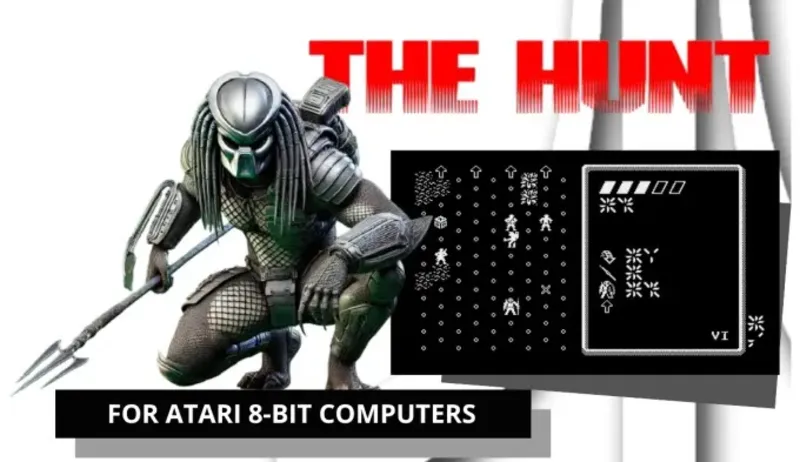
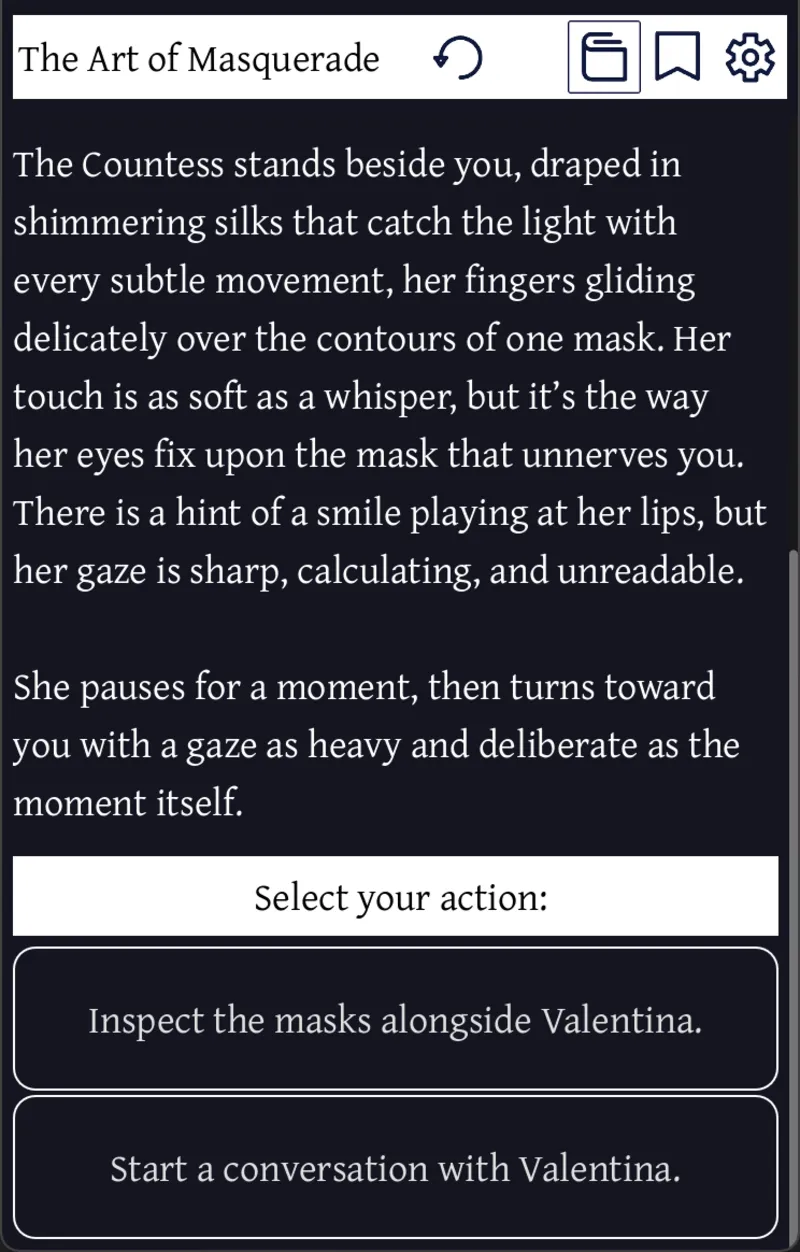
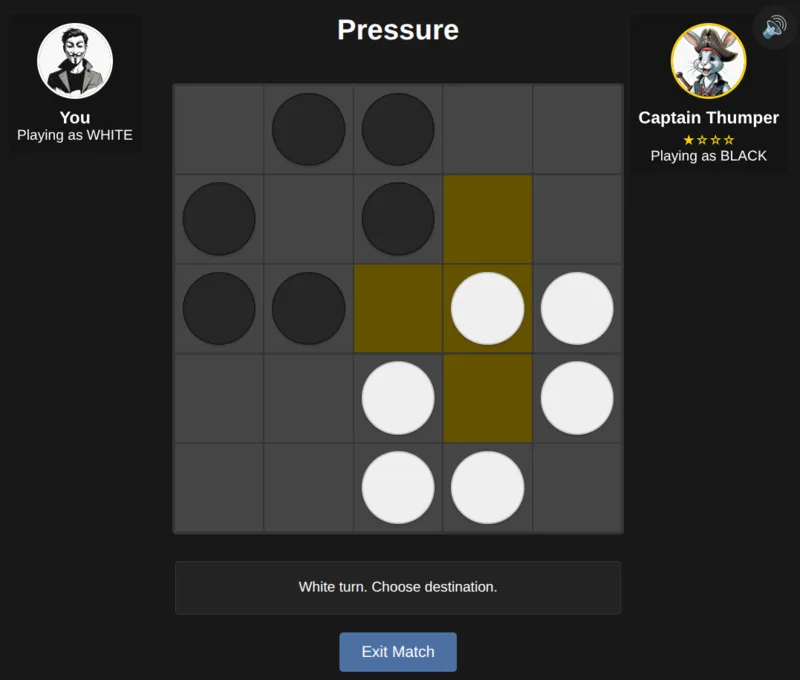
Make games for old computers. Write demoscene intros that fit in a few hundred bytes. Build the tools that make both possible.
Small games for old hardware.
Usually Atari 8-bit, occasionally with ports to other platforms. The constraints are the point: sixty-four kilobytes of RAM concentrates the mind.
Dozens of finished or half-finished projects over the years; a few worth showing.
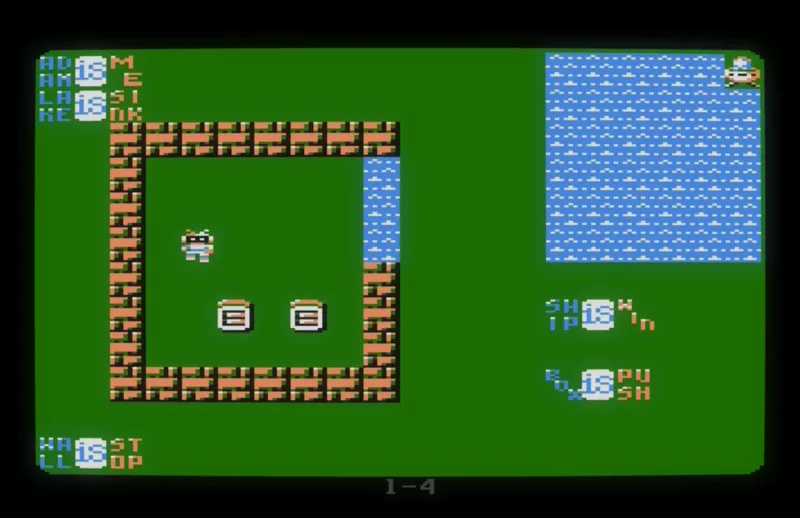
Adam Is Me
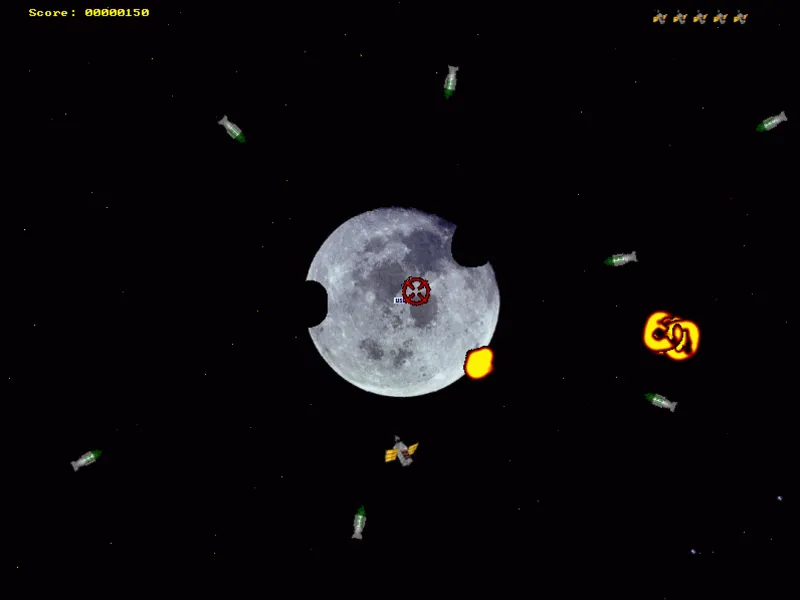
A puzzle game for Atari XL/XE inspired by Baba Is You and Robbo, with its own mechanics and levels. The reception was generous enough that the game was ported to Atari ST, Amiga and Atari Jaguar, and shipped in a limited physical edition with LEGO bricks in the box, which I believe is a first for the platform.
Xenocide: The Roguelike
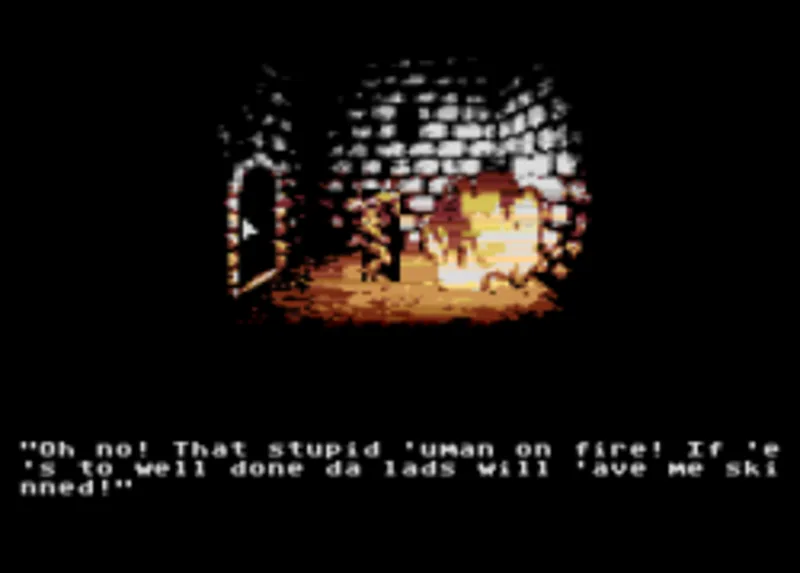
A text-based, turn-based roguelike inspired by Alien, Predator and Half-Life, with mechanics borrowed from Fallout.
Ten-line Roguelike
A roguelike written in ten lines of Atari BASIC, later re-implemented on PICO-8 and TIC-80 by the community.
Abyss
A galaxy in ten lines of Turbo Basic XL. You are a trader; Armageddon arrives on day 1000; between now and then there are planets, missions, and a black hole or two.
Tools I wanted to exist.
Side projects that exist mostly because I wanted the tool to exist, plus a few pieces of hardware I keep going back to.
RastaConverter
github.com/ilmenit/RastaConverter
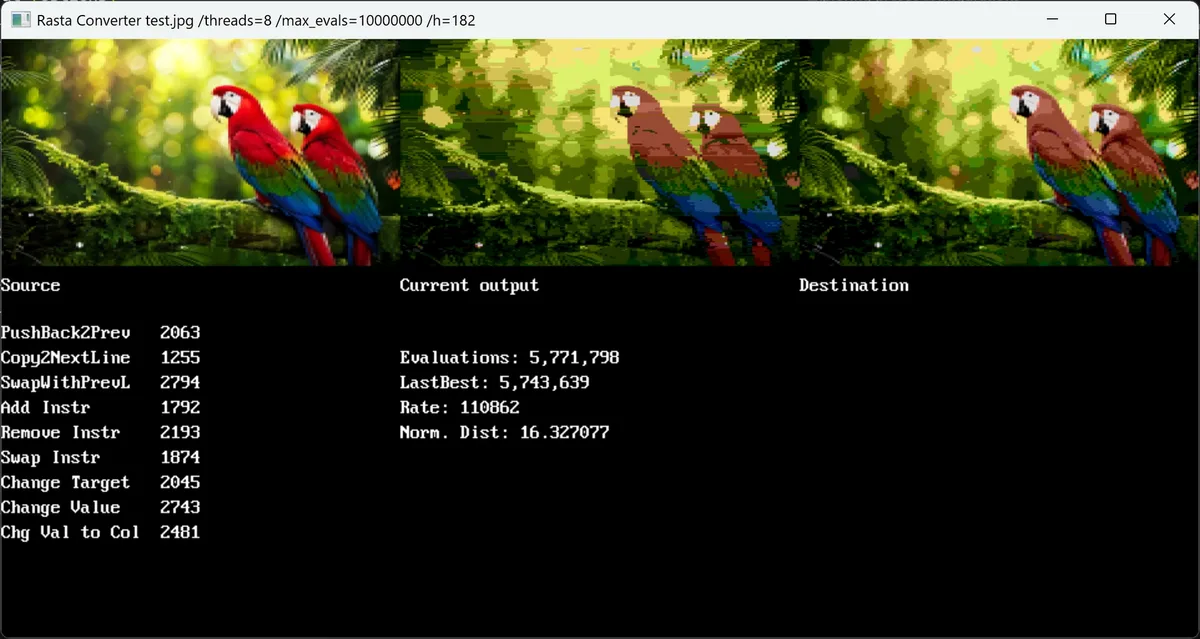
A graphics converter that takes a modern image and produces a display list for the Atari 8-bit, abusing mid-scanline register changes, sprite multiplexing and palette tricks to get something like a photograph out of a machine with 128 colors and no framebuffer. The interesting part is the search: an embedded 6502/ANTIC emulator driven by Late Acceptance Hill Climbing and Diversified Late Acceptance Search, optimizing the program that draws the picture rather than the picture itself. Profile Guided Optimization, reproducible runs, auto-save and resume.
AltirraSDL
github.com/ilmenit/AltirraSDLAn SDL port of the excellent Altirra Atari emulator.
CC65 Advanced Optimizations
github.com/ilmenit/CC65-Advanced-OptimizationsA write-up on squeezing performance and size out of C on the 6502, for people who think compilers are magic but still want the magic to fit in 64 kilobytes.
Audio for 8-bit targets
Three related projects about getting modern audio onto 8-bit hardware.
- vq-trackergithub.com/ilmenit/vq-tracker · vector-quantization based tracker
- pokey-stream-playergithub.com/ilmenit/pokey-stream-player · streaming audio player for the POKEY chip
- 8bit-sound-compressgithub.com/ilmenit/8bit-sound-compress · experiments with audio compression algorithms for POKEY
DOSBUILD / DOSBOXBUILD
github.com/ilmenit/DOSBUILDPreconfigured environments for writing MS-DOS programs in C and C++. Compile-on-save, no clicking through IDE menus; the output runs in a virtual machine on the side, DOSBox for DOSBOXBUILD or VirtualBox for DOSBUILD. The loop is: save the file, watch it run. See also DOSBOXBUILD.
Retro handhelds
The other side of retro-computing: playing old games on small modern devices built by people who love the same machines. Current favorites are the Miyoo Mini and the Ayn Odin 2. Both are small miracles of how far emulation and embedded hardware have come.
prime-fold
github.com/ilmenit/prime-foldThe same optimization family applied to a very different problem: folding primes. Related in spirit to RastaConverter in that the heavy lifting is a well-tuned local search.
Intros that fit in 256 bytes, sometimes less.
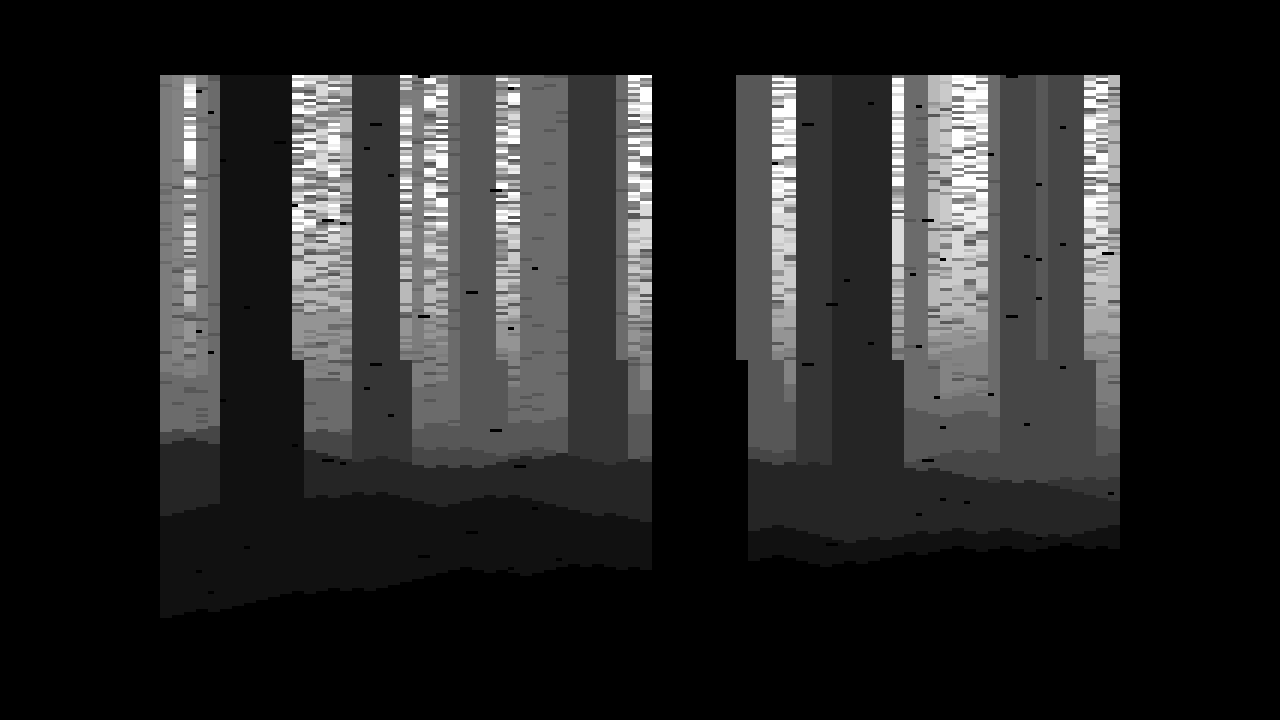
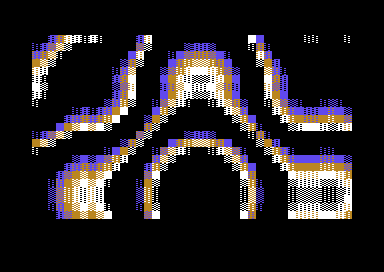
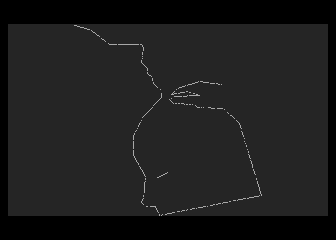
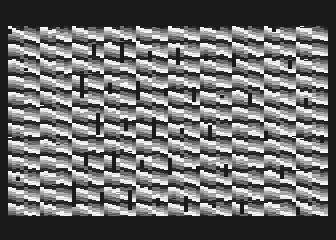
Member of Agenda. I focus mostly on sizecoding: writing intros in 256, 128, 64 or even fewer bytes that still manage to draw something worth watching. It is an odd discipline, closer to mathematical puzzle-solving than to software engineering, and I enjoy the way it strips programming down to instructions and cycles.
Selected intros, sources and screenshots.
Full archive: github.com/ilmenit/sizecoding. Production lists on pouët and Demozoo.
Family first. Before that, slightly unreasonable hobbies.
Married, two children, and most of what used to be my free time is now spent with them, which is the right trade.
- 2001Skydiving license
- 2002Paragliding license
- 2005Caving. Past member of several caving clubs. Great Snowy Cave, Poland, 800 m deep
- 2009Trad climbing. An 18-pitch 5.10c route in the Dolomites
- 2014Reykjavík Marathon. 3:45
- ∞Travelling and backpacking. Forty-plus countries across six continents
Mountains, wild places and long walks are still the preferred way to reset.
Where else to find me, and a quiet tip jar.
- GitHubgithub.com/ilmenit
- LinkedInlinkedin.com/in/jdebski
- YouTubeyoutube.com/ilmenit
- pouëtpouet.net/user.php?who=53891
- Demozoodemozoo.org/sceners/44556
- Emailjakunek@gmail.com
If something here saved you time or made your afternoon a bit better, you are welcome to buy me a coffee. No obligation at all.